If you are reading this from a frozen driveway in Calgary or a rainy condo in Vancouver, you aren’t alone. In the last two years, we have seen a massive surge in Canadians moving to El Salvador.
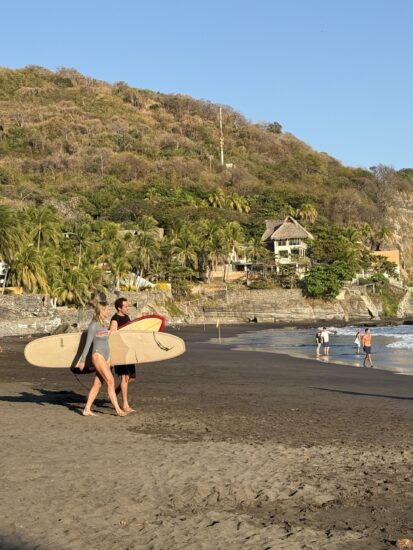
What was once considered a dangerous “no-go” zone has rapidly become the darling of the expat world. Drawn by safety reforms, the adoption of Bitcoin, and year-round tropical weather, Canadians are trading their parkas for surfboards.
But moving here isn’t as simple as booking a flight. As a Canadian Real Estate Professional who operates in both Calgary and El Salvador, I see too many expats arrive unprepared.
Here is the honest truth about the cost of living, safety, and buying real estate in El Salvador in 2026.
1. The Safety Question: Is it Safe for Canadians?
Let’s address the elephant in the room first. Ten years ago, El Salvador had one of the highest homicide rates in the world. Today, it is statistically one of the safest countries in the Western Hemisphere.
Since the government reforms, neighbourhoods like San Benito, Santa Elena, and the coastal Surf City areas have become incredibly safe. You will see kids playing in parks at sunset and tourists walking with iPhones – sights that were impossible a few years ago.
The Reality Check: While violent crime has plummeted, petty theft can still happen (just like in Toronto or Montreal). The biggest “danger” for expats now isn’t violence; it’s bad business deals (more on that later).
2. Cost of Living: El Salvador vs. Canada
Your Canadian Dollar (CAD) goes significantly further here, but don’t expect everything to be cheap.
- Housing: A modern 2-bedroom condo in a safe San Salvador neighborhood might rent for $1,200–$1,500 USD. Compare that to $3,000 CAD for a shoebox in Toronto.
- Groceries: Local produce (avocados, papayas, mangoes) costs pennies. However, imported “comfort foods” (like maple syrup or specific cereal brands) can actually cost more than in Canada.
- Services: This is where you save. A full-time housekeeper or nanny often costs a fraction of Canadian childcare rates, dramatically improving your quality of life.
3. Healthcare: Public vs. Private
Do not rely on the public system. As a Canadian used to provincial healthcare, you need to budget for Private Health Insurance.
The good news? The private care here is world-class. Facilities like Hospital de Diagnóstico in San Salvador offer care comparable to Foothills Medical Centre or Vancouver General, but with zero wait times. Many doctors here trained in the US or Europe and speak perfect English.
4. Buying Real Estate: The “Wild West” Warning
This is where 90% of Canadians make a mistake.
In Canada, we have the MLS (Multiple Listing System). If a house is listed, you know the price, the history, and that the title is clean.
El Salvador has no MLS.
- Pricing is Fluid: A house might be offered to a local for $200k and a “Gringo” for $300k.
- Title Issues: Many properties, especially on the coast, have “Rights of Possession” but not a true “Title.” You can pay for a house and never actually own it.
- No Regulation: Anyone can claim to be a real estate agent here. There is no licensing body policing ethics.
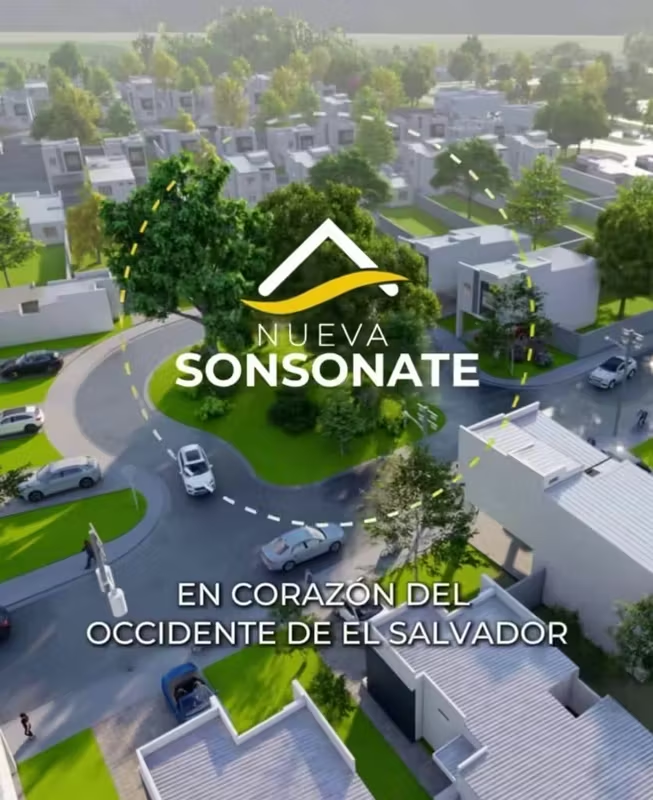
This is why I founded El Salvador Realty Group. We apply Canadian real estate standards to the local market. We don’t just “find houses”—we vet the titles, negotiate fair market value, and protect your deposit.
5. Residency: How Long Can You Stay?
Canadians typically receive a 180-day tourist visa upon arrival. If you plan to stay longer, you don’t necessarily need to leave. You can apply for residency extensions or look into the Digital Nomad Visa or Investor Residency if you plan to buy property.
The Bottom Line
El Salvador offers a freedom and lifestyle that is becoming harder to find in Canada. The sunsets are better, the taxes are lower, and the people are incredibly welcoming.
But you need a guide.
Are you planning a move or looking to invest? Don’t rely on Facebook groups for legal advice. El Salvador Realty Group is currently accepting new retainer clients for Q2 2026.